All services at The Lakes take place in person at our campus in Lakeland, Florida. From this Central Florida location, we support residents and adults who travel from nearby communities.
The Lakes’ Substance Abuse Resources and Locations
In-person substance abuse treatment for adults across Central Florida.
Treating substance abuse often involves more than just stopping alcohol or drug consumption. It also requires finding the right support in the right setting that will help you make that change possible. Many adults across Central Florida find this setting in a structured, in-person treatment program that allows them the space they need to fully focus on recovery and stability.


The Lakes offers outpatient services and day treatment from its location in Lakeland, Florida, providing support for those traveling from Tampa, Orlando, and surrounding areas who need more structure than just a weekly therapy appointment.
This page serves as a resource to help you understand how to receive treatment for substance abuse at The Lakes, the types of available treatment options, and resources to help you maintain your recovery.
Where We Provide Substance Abuse Care
What Substance Abuse Treatment Means at The Lakes
Substance abuse can manifest in many different ways from each person to the next. One person may have developed an alcohol dependency that has slowly started to dominate their weekends and relationships. Someone else may be living with opioid use disorder and constant fear of withdrawal. Others may have become dependent on stimulants, prescription medications, or multiple substances at once.
At The Lakes, we provide support and care to those struggling with substance abuse. We start by listening to your story and assessing your needs. You will then work with behavioral health professionals who take the time to understand your history, your current risks, your support system, and what has or hasn’t worked in the past. Based on this information, we will develop a recovery plan that is tailored to meet your needs, including the level of care that works best, as well as the mix of therapy, support services and medical care that may also be appropriate for you.
Our approach to substance abuse treatment:
- In-person support: Treatment happens face-to-face to help build trust and consistency.
- Evidence-based psychotherapy: Therapy may include CBT and other structured approaches that support lasting change.
- Co-occurring support: Many people have mental health conditions alongside addiction, and we address both when they overlap.
- Medication support when appropriate: Our team can discuss treatment options, including medications that may reduce cravings or support recovery, and coordinate referrals when needed.
- Respect and realism: We build on your values, culture, and existing coping skills, and we do not treat you like a diagnosis.
There is no need to figure out what the “perfect” program or label is to describe your circumstances when you first contact us. We will work together to determine your circumstances and develop a plan moving forward based on your needs.
Substance Abuse Recovery Resources & Support Guide
Substance use disorders can affect the lives of countless individuals and families, but recovery is possible with appropriate support, tools, and care. Whether you are looking for yourself, helping someone else, or considering treatment options, there are trusted resources, practical tools and strategies, and guidance on how to move forward.
Recovery is not about being perfect; recovery is progress through support and commitment. Regardless of whether you start with a book, an app, a support group, or a treatment program, each step you take toward receiving help counts. You are not alone; assistance is available.
Books About Substance Abuse & Recovery
In the Realm of Hungry Ghosts – Gabor Maté, M.D.
A compassionate exploration of addiction that focuses on trauma, connection, and healing.
The Recovering – Leslie Jamison
A blend of memoir, research, and cultural analysis on addiction and recovery.
Clean – David Sheff
An evidence-based guide to addiction treatment, recovery options, and supporting loved ones.
Unbroken Brain – Maia Szalavitz
Reframes addiction as a learning disorder and explores science-backed recovery paths.
Quit Like a Woman – Holly Whitaker
Challenges traditional recovery narratives and offers an empowering approach to sobriety.
The Substance Abuse & Recovery Workbook – Julie H. Kraft
The Addiction Recovery Skills Workbook – Suzette Glasner-Edwards, Ph.D.
Apps for Substance Abuse Recovery
Sober Grid
Peer support, accountability, and recovery tracking.
I Am Sober
Daily sobriety tracking, milestones, and motivation.
WEconnect Recovery
Routine building, reminders, and progress tracking.
Headspace
Mindfulness and stress reduction tools.
Calm
Sleep, relaxation, and anxiety support.
Insight Timer
Free meditations, including addiction-focused content.
Daily Activities to Support Substance Abuse Recovery
Establishing a Healthy Routine
Creating a daily structure helps reduce triggers while helping to maintain emotional stability. Waking up at the same time every day, eating at regular intervals, working at fixed times, and going to bed at approximately the same time each day creates consistent predictability, which enables a person to recover.
01
Perform Physical Activity
Physical movement decreases stress and allows a person to manage cravings. Activities such as walking, yoga, lifting weights, and stretching can be helpful for emotional healing as well as physical health.
02
Practicing Mindfulness & Stress Management
Through the practice of mindful meditation, breathing techniques, and grounding exercises, individuals may experience relief from cravings and emotional discomfort. Doing these types of activities for only a few minutes each day can improve awareness and help regulate impulse control.
03
Building Stronger Social Connections
Connection is important for recovery. Continuing to support peers in recovery, maintaining connections with sober friends and family members, and participating in support groups help alleviate feelings of isolation and supports accountability.
04
Keeping a Journal and Utilizing Reflection
Writing allows individuals to process their emotions, identify triggers, and maintain motivation. Furthermore, journaling provides an effective outlet for dealing with stress.
05
Establishing Good Sleep Habits and Nutrition
Adequate sleep and appropriate nutrition support the recovery of the brain and the regulation of emotions. Avoiding excessive caffeine and focusing on hydration can also reduce anxiety and cravings.
06
Substances We Treat
People reach out to us at different points in the story. Some are scared by how quickly things escalated. Others have been trying to stop for months or years and keep ending up in the same cycle. If you are wondering whether your use counts as a real problem, that question alone is often a sign it is worth talking to someone.
At The Lakes, we support adults struggling with a wide range of substances, including:
Alcohol
Daily reliance, binge patterns, blackouts, or withdrawal symptoms when you try to stop.
Learn more
Opioids
Ongoing opioid use that has become hard to control, including prescription or illicit opioids.
Learn more
Fentanyl
High-risk opioid use that can lead to rapid dependence and serious overdose danger.
Learn more
Heroin
Opioid addiction tied to withdrawal cycles, escalating use, and major disruption in daily life.
Learn more
Prescription Drugs
Misuse of prescribed medications, including taking more than intended or using someone else’s medication.
Learn more
Oxycodone
Prescription opioid misuse that often shifts from “as needed” to dependence and cravings.
Learn more
Benzodiazepines
Dependence on benzos that may involve intense anxiety, rebound symptoms, and complicated withdrawal.
Learn more
Sleeping Pills
Use that begins as sleep support but can turn into tolerance, dependence, and difficult rebound insomnia.
Learn more
Stimulants
Compulsive use, crashes, insomnia, anxiety, and the feeling of not being able to stop once you start.
Learn more
Cocaine
Cycles of use that can bring impulsivity, paranoia, irritability, and emotional lows afterward.
Learn more
Crack
More frequent, high-intensity use patterns that can quickly destabilize mood, finances, and safety.
Learn more
Meth
Long-lasting stimulant effects that can lead to sleep deprivation, agitation, paranoia, and strong relapse risk.
Learn more
Amphetamines
Misuse that may be tied to energy, productivity, appetite suppression, or staying awake.
Learn more
Adderall
Nonmedical use or overuse that can increase anxiety, irritability, insomnia, and dependence.
Learn more
Club Drugs
Use connected to nightlife, social settings, and risky decision-making that can spiral quickly.
Learn more
Hallucinogens
Use that may worsen anxiety, panic, dissociation, or trigger mental health symptoms in vulnerable individuals.
Learn more
Marijuana
Use that affects motivation, mood stability, memory, or the ability to manage daily responsibilities.
Learn more
Inhalants
Dangerous patterns of use with serious medical risks, often tied to impulsivity and quick escalation.
Learn more
Modalities for Substance Abuse Treatments at The Lakes
There is no single “correct” way to treat addiction. Effective treatment depends on your history, safety, withdrawal risk, mental health, and daily responsibilities. The Lakes focuses on in-person outpatient and day-treatment services, with coordinated referral options when you need inpatient care or detoxification.

Individual Therapy
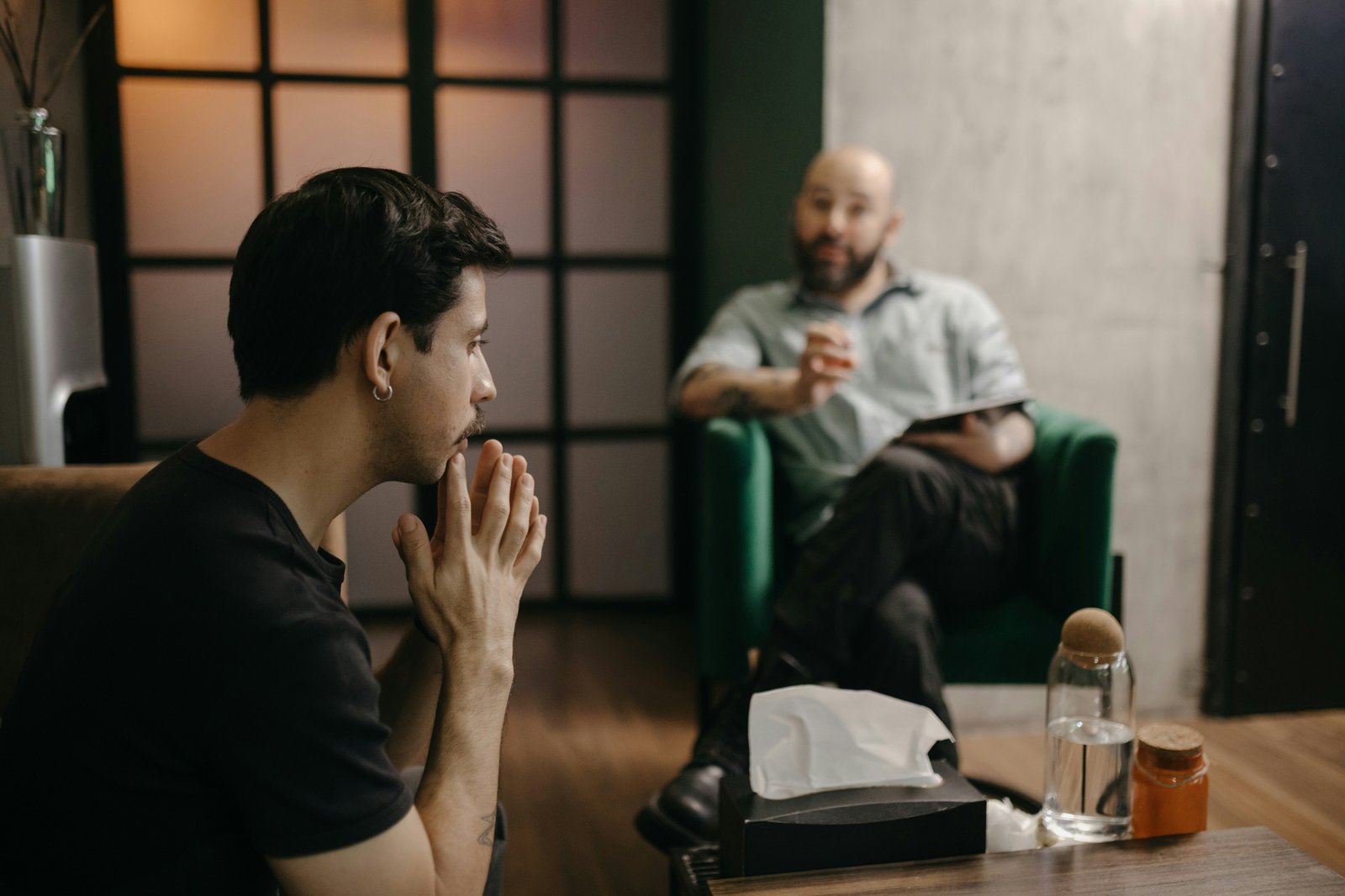
In one-on-one therapy sessions, you work with a clinician to understand patterns that keep addiction going. You will explore triggers, stress, shame, trauma, and the roles substances have played in your life. Individual therapy also helps you practice skills that support long-term recovery.
Cognitive Behavioral Therapy (CBT)
CBT helps you spot the thoughts and behaviors that drive drug use and replace them with more realistic, workable responses. CBT is commonly used in addiction treatment because it targets cravings, relapse triggers, and the autopilot patterns that show up under stress.

Dialectical Behavior Therapy (DBT) Skills
An evidence-based form of therapy that utilizes aspects of CBT, mindfulness, and motivation into a single therapy format. This therapy type is used at The Lakes to treat a variety of substance use disorders and mental health conditions.

Group Therapy
Group therapy provides structure, accountability, and connection. A clinician leads the group, teaches skills, and guides real conversations about what recovery looks like day to day. Many people find that group support reduces isolation and makes change feel more possible.
Family Therapy and Family Support
Addiction affects family members in deep ways. When appropriate, family therapy can help rebuild communication, set healthier boundaries, and create a support plan that protects recovery without creating more conflict at home.
Medication Management
For some people, especially those with opioid use disorder or alcohol use disorder, medication can be an important part of treatment. Depending on your needs, your care may include discussion of options such as buprenorphine, naltrexone, or other medications that support stability and reduce cravings. When a higher level of medical care is needed, we help with referral and coordination.
Indicators That a Substance Abuse Treatment Program Will Be Right for You
Choosing a substance abuse treatment program can be complicated because every individual has a unique story affecting the decision; however, an appropriate program will be one where you feel respected, supported, and that is in line with your recovery aspirations.
Individualized Care: One of the greatest indicators of whether or not the program is the right fit is whether or not it provides you with individualized care. Programs that are effective take time to assess your history regarding substance use, your mental and physical health, your personal challenges, and your circumstances before developing a specific treatment plan. Recovery is not the same for everyone.
Open and Honest Communication: Quality programs should fully inform you as to what they offer, the estimated duration of treatment, the therapies that will be utilized, and the expectations regarding payment and insurance. Staff should encourage you to ask questions and should offer guidance regarding the alternatives available without pressuring you.
Qualifications and Approach of the Treatment Team: A quality substance abuse treatment program will consist of licensed addiction specialists, therapists, and other medical personnel as needed. In addition to their credentials, staff must possess qualities of empathy, patience, and a non-judgmental attitude. You should feel safe to share about cravings, setbacks, and fears without fear of shame or punishment.
Supportive Structure and Compassion: It is crucial that a program offers a supportive, structured atmosphere that balances accountability with compassion. You must feel respected and encouraged, not controlled. Quality programs recognize that recovery does not follow a straight line and provide support through challenges rather than focusing solely on compliance.
Collaboration and Personal Agency: You should actively participate in recovery goal development, treatment plan modifications, and post-program preparation. Programs that allow you to take ownership of your recovery process empower you with the tools necessary to build long-term resilience and independence.
Evidence-Based Practices and Progress Monitoring: Effective treatment programs utilize proven approaches such as cognitive behavioral therapy (CBT), motivational interviewing, medication-assisted treatment (MAT) if appropriate, relapse prevention plans, and trauma-informed care. Ongoing assessments and aftercare plans demonstrate a commitment to long-term recovery rather than just short-term outcomes.
How to Get Started With Substance Abuse Treatment at The Lakes
To get started with your substance abuse treatment at The Lakes, the first step is to talk to a member of our staff who will help you understand and identify your options.
When you contact us, you should expect:
- A conversation about your current situation.
- Questions related to your substance abuse history, what substances you’ve used, how often, if you experienced withdrawal symptoms, and whether you have completed other treatment programs in the past.
- Guidance on the level of care that may be appropriate for you based on your present situation.
- Practical assessment of your health care coverage, payment options, and scheduling opportunities.
- An honest assessment of whether detoxification or inpatient substance abuse treatment is currently a better option than The Lakes
If you or someone you know is in imminent danger of serious harm or requires emergency medical attention, please call 911 or a crisis hotline. Once the immediate danger has been addressed, The Lakes can be part of your long-term recovery plan.
Taking the Next Step
Living with substance abuse is exhausting. Finding help should not add more stress. Whether you are just starting to wonder if you need support, or you already know you need structured addiction treatment, The Lakes offers in-person programs grounded in evidence-based care and genuine respect for your experience.
If you are ready to explore treatment options for yourself or a loved one, reach out to our team. We will listen, answer your questions clearly, and help you decide what the next right step looks like.